
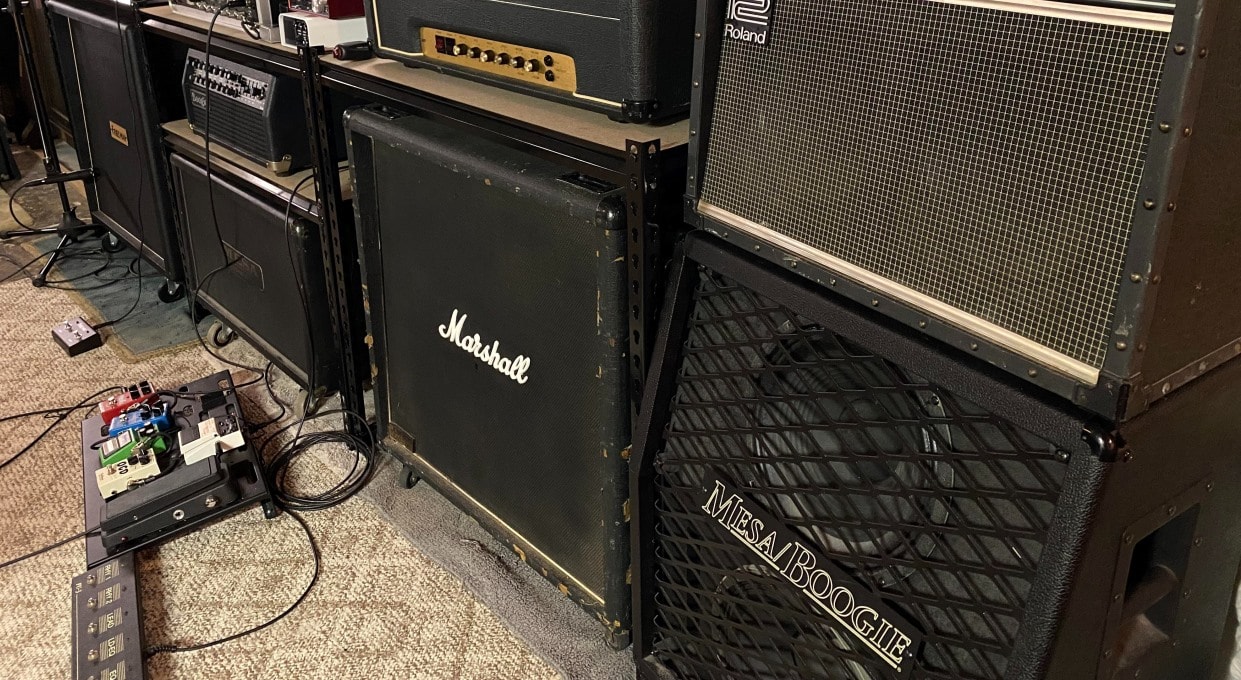
Two guitar amp brands you’ll see constantly mentioned within the guitar community are Marshall and Mesa Boogie. While both of these companies produce top-end guitar amplifiers that are used by some of the best musicians in the world, their approaches and philosophies to how guitar tone works are quite different.
With that being said, you’ll often see both amplifiers used very often by professional musicians, oftentimes for playing the exact same styles of music. This can make it difficult to know which one is going to work best for you and leads to a lot of confusion when shopping for a new amplifier.
So in today’s article, we’re going to take an in-depth look into what these two amps offer and discuss which is right for you, then provide our top 3 picks of the very best Marshall and Mesa Boogie amps for your consideration.
Marshall vs Mesa Boogie Amps
Tonal Differences
You’ll often hear Marshall amplifiers being described as providing more of a British sound, and Mesa Amps as providing a more American sound.
Experienced players who’ve spent time with both kinds will have an intrinsic understanding of what those sounds are. But for anyone who doesn’t have prior experience and wants to get an idea of which style is more appropriate for you, I’ll summarize them in terms of tonal characteristics.
When referring to Marshall amps, or the ”British” sound, we are talking about a very stripped-down and raw kind of distortion that puts a bit more emphasis on the upper mids.
This gives them an upfront, crunchy quality, but the bass is often looser and is something you’d associate with a classic rock/metal sound. A good example of this is Angus Young of AC/DC.
Mesa Boogie amplifiers on the other hand are a little more complex in their gain staging, by using a more complicated gain structure they tend to saturate more and have less bite/teeth when compared to the Marshall. But they sound incredibly thick, rich, and punchy.
Particularly their low end is a lot tighter and there is less emphasis on the upper mids which gives a darker and more scooped tonality. Even though Mesa Boogie amps aren’t exactly new players on the scene, we still generally refer to this as a more modern style of distortion.
Bands like Metallica are well known for utilizing that signature Mesa Boogie style of distortion.
EQ and Tonal Sculpting
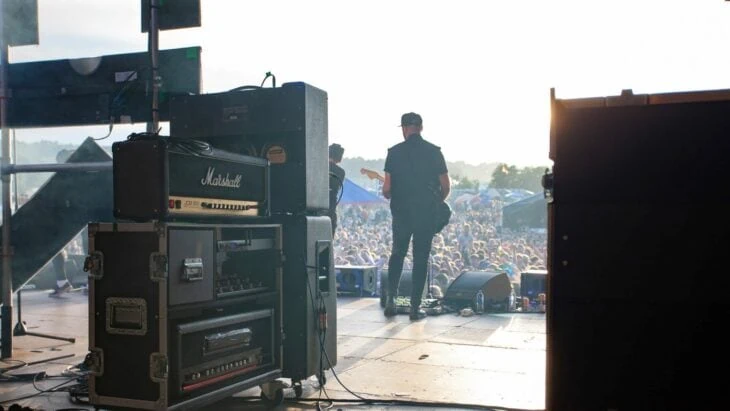
Another common difference between the two amps is the way they approach tonal sculpting.
This is essentially the act of manipulating the frequencies the amplifier outputs in order to shape your sound into something that’s pleasant and desirable to listen to.
Marshall amplifiers usually utilize a simple 3-band EQ system. This gives you separate knobs to control the bass, middle, and treble frequencies. These 3 knobs cover the entire frequency spectrum so can be described as very broad. This is super simple to use and allows you to get the best tone possible in just a few minutes.
Mesa on the other hand takes a more elaborate and technical approach to tonal shaping. While the exact EQ options that are available to you will differ from model to model, their Mark series in particular has a slew of extra features such as a top-end boost, multiple channel voicings, and even a switchable graphic EQ which lays over the top of the preamp voicing.
This allows you to get far more granular with your sound design and really hone things in on the amp without needing any external EQ pedals.
To summarise, Mesa has more versatility thanks to its plethora of tonal shaping options, but it takes longer to dial in and some people may not have the patience or desire to get so detailed with things.
Marshall on the other hand keeps things simple with just a simple 3-band EQ you can set up in a second and be ready to go.
Which One is Right for You?

While there is certainly a degree of crossover between the two brands, they are both high-gain amps with a plethora of tonal shaping tools you can use to craft your desired sound, you can put yourself in the right ballpark almost immediately by picking a brand that better aligns with the qualities you desire to have from your guitar tone.
Before discussing the difference you should take into account when deciding which one is right for you, let’s first talk about the things that don’t matter between the two brands.
As they are both top-tier brands in the amplifier space, you can trust their construction and quality completely. They are designed to be workhorses that will withstand the rigors of playing shows and touring without issue.
Secondly is the style of music you play, despite there being a rough association between more classic rock and Marshall and more modern rock/metal and Mesa, there are plenty of artists from every genre using both Mesa and Marshall amplifiers. Don’t be deterred just because you play a particular style!
Ultimately what does matter is the kind of tone you are looking for and the kind of user experience you want out of your amplifier.
If you want a clean, driven, raw, and authentic sound that’s bright, present and in your face then Marshall is definitely going to be better voiced out of the box for you. Not only that but they are also simpler amps to operate.
If you want more of a modern, saturated sound with denser harmonics and increased versatility then Mesa amplifiers are better suited for accommodating this.
Top Recommendations
Now you have a better idea of which brand is going to suit your style. To speed up your buying process here’s a quick cheat sheet of our top 3 Mesa and Marshall amps that you may want to consider.
Marshall DSL40CR
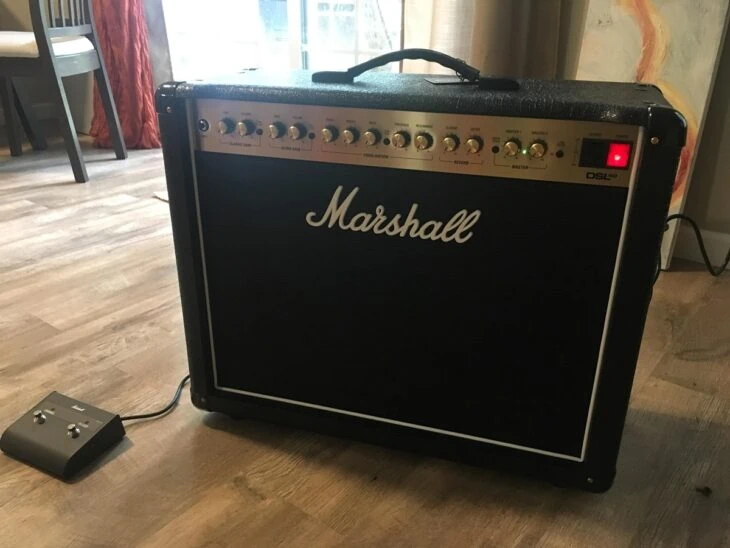
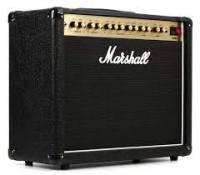
The Marshall DSL40CR is an unassuming little combo amp that might not seem out of place in a guitar practice room being used by a beginner. But don’t let that fool you, this 40-watt monster is shockingly versatile thanks to its dual channels each of which has 2 unique voicings, giving you a lot of tonal options for an amplifier at this price tag.
Marshall JVM215C
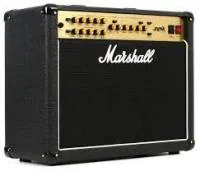
This the amp of choice for those who want it all, despite being just a little 1x12 cabinet, the JVM215C has all the bells and whistles any professional musician would need including an effects loop, independent reverbs for each channel, midi switching for external control, and each of the 2 channels has 3 individual voicings to better control the gain.
Marshall 2525C Mini Silver Jubilee
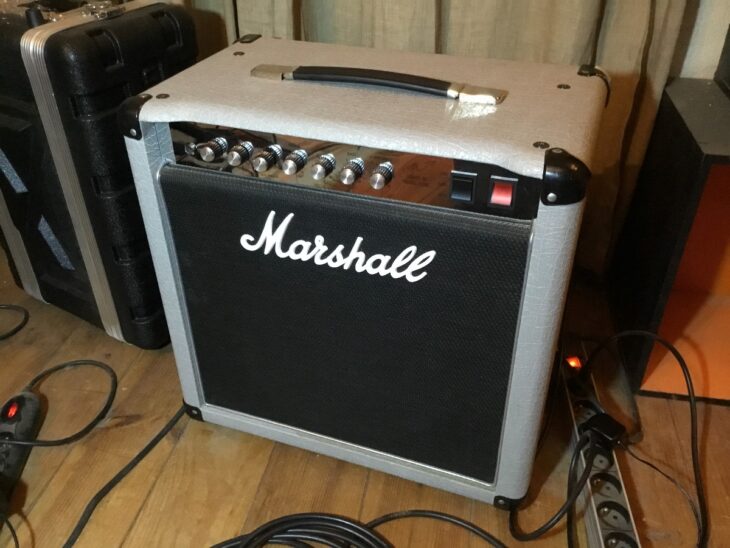
The rather unique-looking Marshal Mini Silver has a really nice silver tolex and front faceplate which makes a nice change from the usual black and gold setup.
But of course, there’s a bit more to this amp than meets the eye, it’s essentially a reissue of the original Silver Jubilee which was incredibly popular during the ’80s and ’90s, but this time they’ve packaged it in a nice 1x12 combo format for easy transport.
Top 3 - Mesa Boogie Amps
Preview | Product | Price |
|---|---|---|
 | ||
 | ||
 |
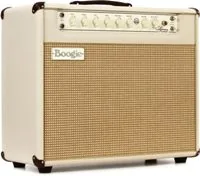
Mesa Boogie Mark V 35
The Mesa Mark series of amplifiers is their flagship amp and truly encompasses everything that’s great about Mesa. But over time they’ve tried to diversify the line by offering low-wattage models at a cheaper price.
This makes the Mesa Mark V 35 one of the best alternatives as it has everything the dedicated head has, but there’s a nice 1x12 cabinet attached to it making it the perfect small gigging amplifier.
Mesa California Tweed
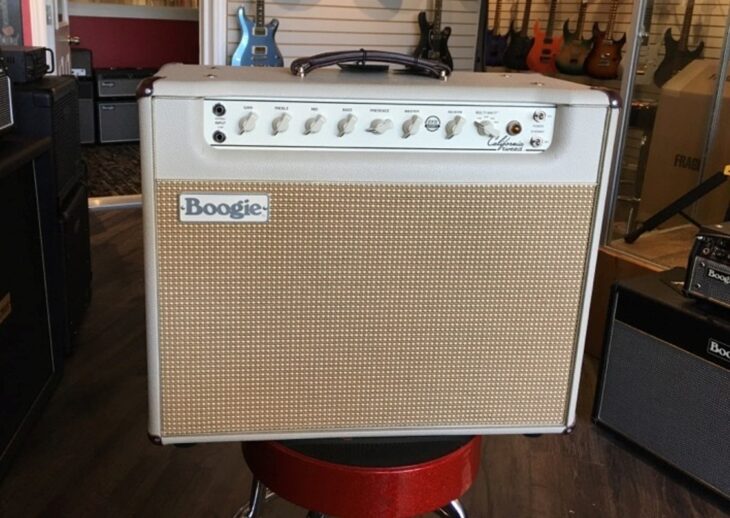
The Mesa California Tweed is the perfect choice for anyone looking to go decidedly old-school. While it of course sounds great for all your clean/crunch style tones we really have to talk about its beautiful aesthetic, with the cream tolex and tweed clothe grille and even those classic chicken head knobs. It’s one of the most beautiful amps Mesa makes!
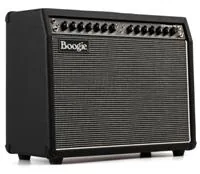
Mesa Boogie Fillmore 50
Named as homage to the legendary music venues of the ’60s and early ’70s, the Mesa Boogie Fillmore aims to encompass the true classic tone of that era. It’s all tube with a real long-tank spring reverb built right into it, this is about as organic and authentic as they come.
Two Amp Powerhouses
These days Marshall and Mesa have pretty diverse lines of amplifiers that span a wide range of tones and intended applications. At this point, you can’t really go wrong with any particular brand.
With that being said, each brand has its own heritage and ethos which has carried across multiple generations of guitarists, so if one brand stands out as being more in line with those preferences then you’re going to have a better playing experience using an amplifier from a company you feel a connection to.
I hope you find the information shared today helpful and best of luck with your next amp purchase!
