
Are you in the market for a new guitar, or maybe considering upgrading your current instrument? If so, you’ve likely encountered the great tonewood debate.
The reality is that most tonewood conversations come down to personal preference. While rosewood and maple fretboards dominated the American guitar market (with an honorable mention to ebony) for decades, both are increasingly rare.
Accordingly, the big manufacturers are turning to more affordable, sustainable woods.
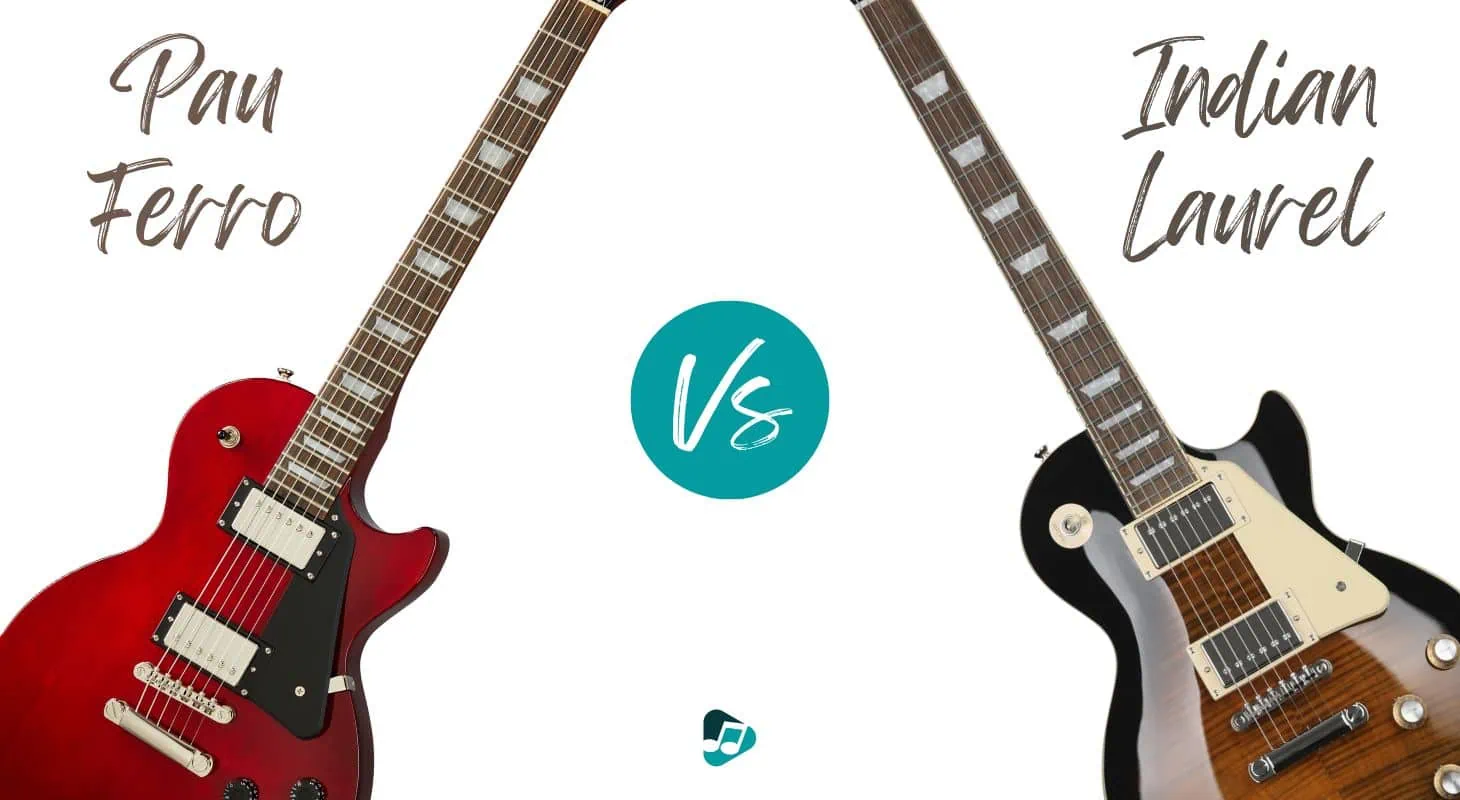
Today, we’ll be looking at two relatively lesser-known but increasingly popular tonewoods: Indian Laurel and Pau Ferro.
I’ve played Indian Laurel and Pau Ferro on quite a few guitars in the budget to intermediate range. While I’ll probably prefer rosewood until I can’t play guitar any more, there’s plenty to love about these newer, exotic woods.
In this article, I’ll break down the differences between these two materials, discuss their unique tonal characteristics, and help you decide which one is right for you.
Table of Contents
What is Tonewood?
Before we dive into the differences between Indian Laurel and Pau Ferro, let’s quickly go over what tonewood is.
Tonewood refers to the wood used in the construction of a musical instrument, specifically the body, neck, and fretboard.
The type of wood used can have a significant impact on the overall tone, sustain, and playability of the instrument. Some popular tonewoods include maple, mahogany, rosewood, and ebony.
Tonewoods are more important for acoustic instruments than for electric ones. They matter a lot on violins and acoustic guitars. While the wood used in an electric guitar’s construction shapes its tone, the pickups and amplifier are the major factors in its sound.
However, how you play is often more important than what you’re playing.
The weight of a wood, for example, affects its tone, but also affects your ability to play it. Likewise, a gloss fretboard finish feels different to play compared to a dry, untreated, porous wood.
Sometimes, the tonal differences have more to do with how the guitar’s construction affects our playing than with the wood’s natural resonance.
Indian Laurel: An Overview
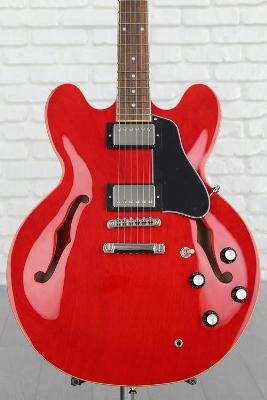
Top 3 - Popular Indian Laurel Guitars
Appearance
Indian Laurel is a dense, hardwood with a beautiful reddish-brown color, often featuring attractive grain patterns.
I often see laurel used in place of substitute for rosewood, on guitar fretboards. I’ve picked up a block of laurel in a luthier’s shop before, and marveled at its density. Due to its density, it’s highly resistant to wear and tear, making it an excellent choice for long-lasting instruments and for cheaper guitars.
Tonal Characteristics
Indian Laurel offers a balanced, warm tone with a rich midrange and tight low end.
Laurel-equipped guitars I’ve played remind me of rosewood, but with a slightly brighter and more focused sound. The dense nature of Indian Laurel contributes to its excellent sustain and harmonic complexity.
Feel
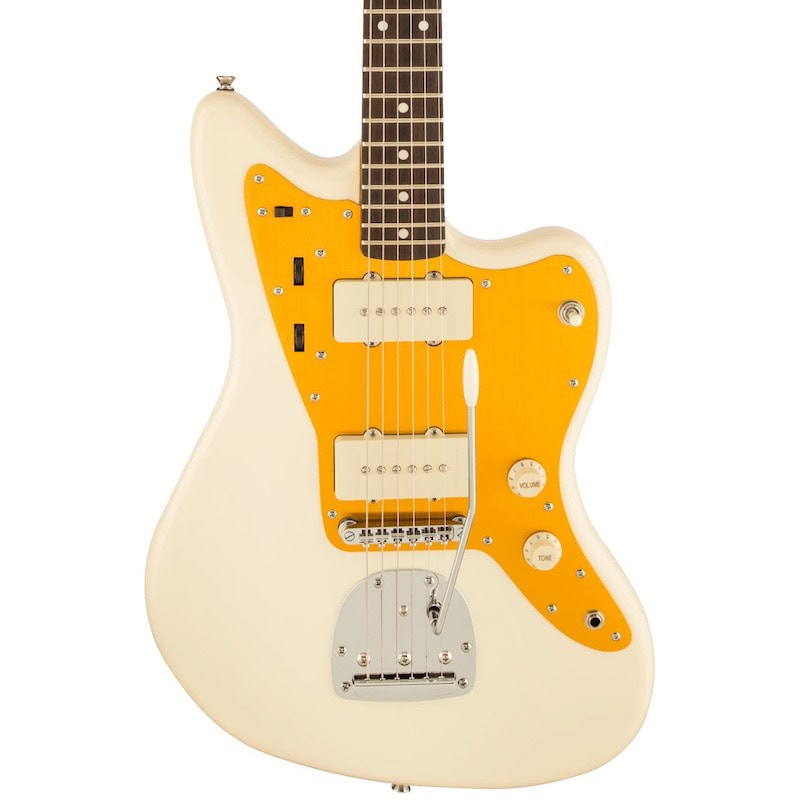
I tried out a Squier J Mascis Jazzmaster, which had an Indian laurel fretboard.

Squier J Mascis Signature Jazzmaster
In the shop, the fretboard felt a little dry and sticky under my fingers. I spoke to my friend who runs the shop, and he told me that laurel often needs a little lemon oil to bring it to life.
With a couple drops of oil, it felt slick and hard, not unlike the ebony fretboard on a Les Paul Custom.
It might be the hardness of the wood, but the laurel also feels sturdy, like it could withstand a world tour without even a scratch.
Affordability
My favorite thing about Indian laurel is its cost-effectiveness compared to other tonewoods like rosewood.
Rosewood drives up the price of intermediate guitars.
The J Mascis Jazzmaster, for example, features a basswood body and maple neck. With a more luxurious fretboard, it could easily command prices above $1000, but with Indian laurel, it’s under $700 retail, and even less used.
I love that Indian Laurel has become a popular alternative. It’s an excellent choice for those looking for an awesome workhorse guitar without breaking the bank.
Pau Ferro: An Overview
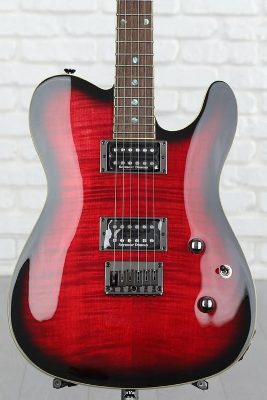
Top 3 - Popular Pau Ferro Guitars
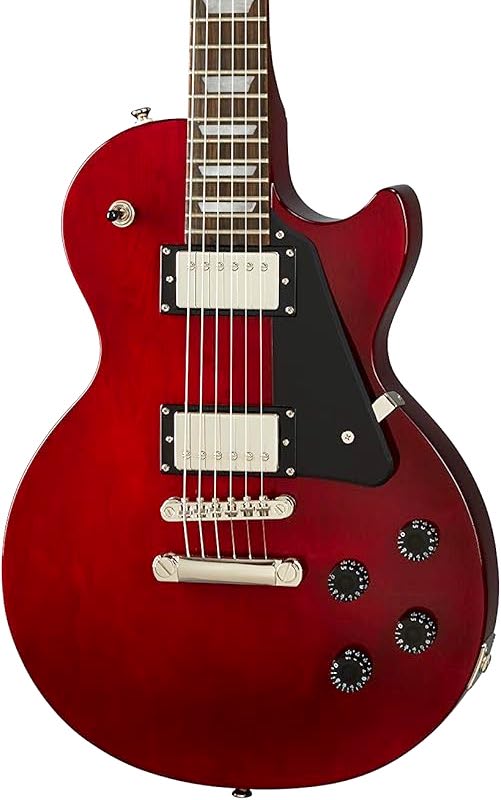
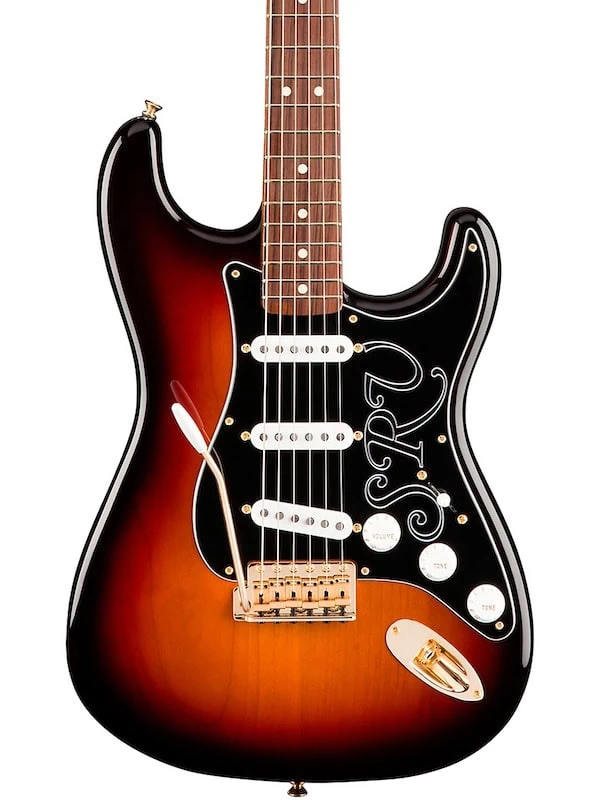
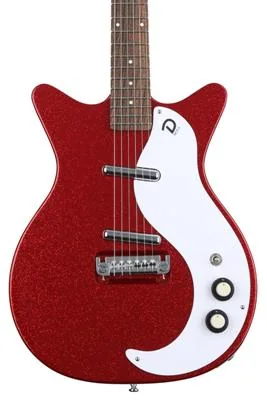
Appearance
I’ve been seeing plenty of Pau Ferro lately, too. It seems to be the other main alternative to rosewood for fretboards.
Pau Ferro is a dense, medium-weight wood that boasts a striking appearance. Its color ranges from light brown to dark chocolate with reddish or purple hues.
I prefer the darker color of rosewood, and the lighter hue of Pau Ferro isn’t always to my taste.
Pau Ferro’s tight and uniform grain pattern lends itself to a smooth, glossy finish when properly sanded and polished. I see it on guitar necks and even some acoustic guitar bodies, but by far the most common use I see is as a fretboard material.
Tonal Characteristics
I tried out a Player Plus Telecaster with a Pau Ferro fretboard. The Pau Ferro produces a bright, snappy tone with a strong midrange and crisp high end. For me, that’s the perfect tone for a Telecaster in a country band!
It reminds me a lot of maple in terms of tonality but has more warmth, making it a unique option for those seeking a blend of brightness and warmth.
Its dense structure also contributes to excellent sustain and resonance.
To me, it really feels like a halfway point between a finished maple fretboard and a rosewood fretboard.
Feel
Pau Ferro doesn’t feel quite as slick and hard as finished rosewood or ebony. The Tele I tried felt a little dry under my fingers, but the application of lemon oil brought it to a lovely glossy finish and removed any unwanted friction.
I was comfortably able to play rapidfire chicken picking licks and hybrid picking.
Affordability
While Pau Ferro is not the cheapest option, it is considerably more affordable and sustainable than rosewood or ebony.
I see it on midranged guitars a lot, but it’s starting to break through into more boutique instruments. I was really impressed with the quality of the wood on a Suhr Standard Plus I tried out recently, for example.
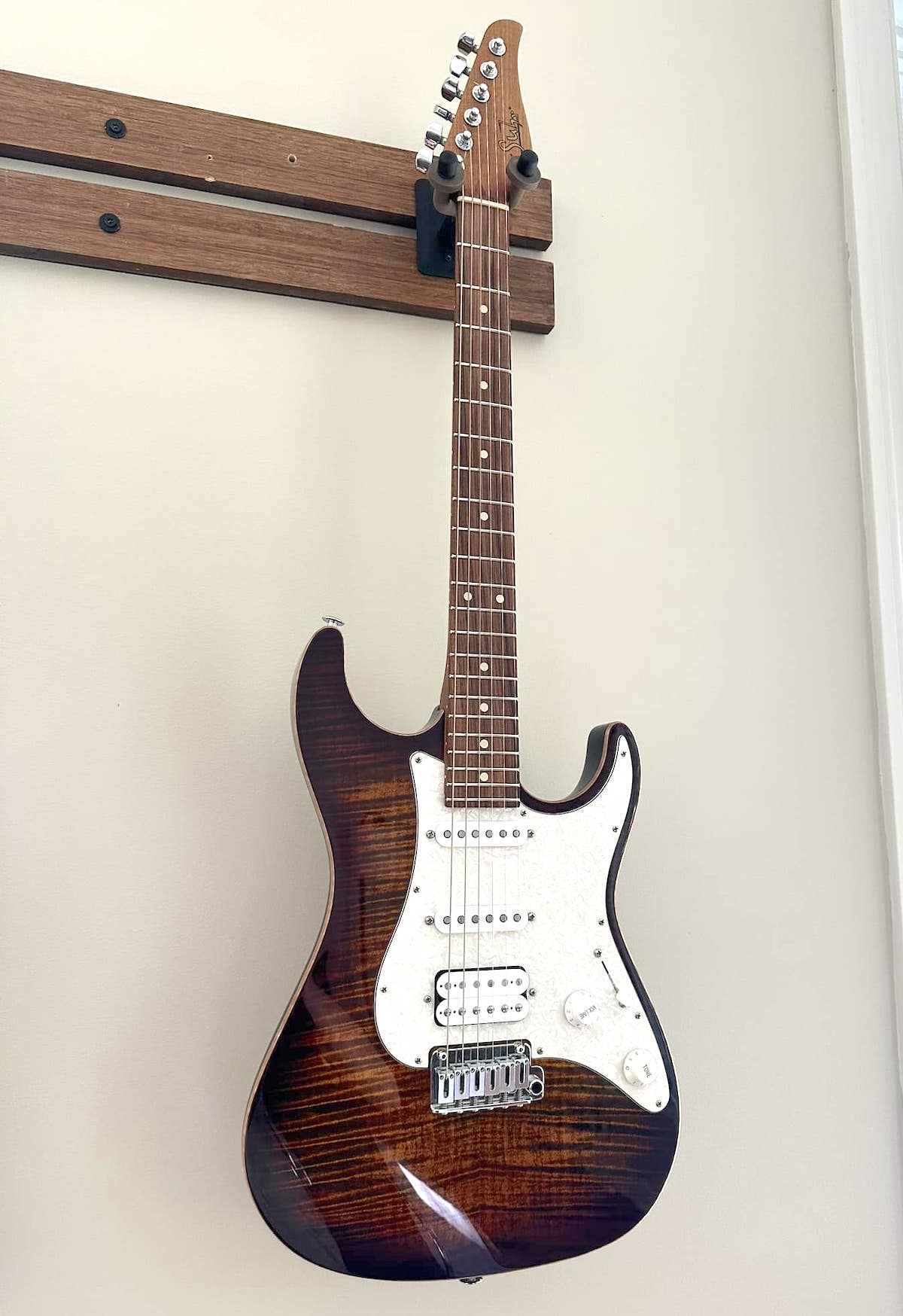
Suhr Standard Plus
To me, Pau Ferro is the go-to wood for intermediate-level player-friendly guitars. It’s common on hard-gigging Fender Player series instruments, for example.
Its increasing popularity in the guitar industry has made it more widely available, allowing manufacturers to offer instruments at a more reasonable price point.
It's worth noting that some manufacturers are moving back to Rosewood after the regulations regarding Rosewood usage became less strict of late. For example, Fender switched back to Rosewood for their Player II series, while continuing to prefer Laurel for the cheaper Standard series.
Indian Laurel vs Pau Ferro: Which One is Right for You?
Tone Preference
Your choice between Indian Laurel and Pau Ferro should be primarily based on your tonal preferences.
If you prefer a warm, balanced tone with rich midrange and tight lows, Indian Laurel may be the ideal choice for you. On the other hand, if you’re looking for a brighter, snappier tone with strong midrange and crisp highs, Pau Ferro could be your perfect match.
I loved the Pau Ferro fretboard on the Telecaster I tried because it was perfect for country music, and the guitar wasn’t so expensive that I’d be worried about carting it to and from rowdy honky tonks.
Budget Considerations
Budget may also play a role in your decision. Indian Laurel tends to be more affordable than Pau Ferro, making it an attractive option for those on a tighter budget.
However, if you’re willing to spend a little more, Pau Ferro’s unique tonal characteristics and striking appearance may be worth the investment.
That said, there are other pricing considerations on guitars. Some guitars with Pau Ferro fretboards are more affordable than others with Indian Laurel.
The fretboard ultimately isn’t a huge piece of a guitar’s construction, compared to the wood for the body and the neck.
Playability and Feel
The feel of the fretboard is another essential factor to consider when choosing between Indian Laurel and Pau Ferro. Both woods offer a smooth, comfortable playing experience, but there are some subtle differences.
Indian Laurel, with its tighter grain, tends to have a slightly smoother feel, whereas Pau Ferro has a bit more texture due to its coarser grain. The difference is minor, but some players may have a personal preference.
I prefer the looks and feel of rosewood, to which Indian laurel feels closer. With a bit of lemon oil, however, the difference is negligible.
Likewise, on shredder’s guitar with jumbo frets or a scalloped fingerboard, the feel of the fretboard isn’t much of an issue, as you will barely touch it with your fingertips.
Sustainability
If you’re concerned about the environmental impact of your instrument, both Indian Laurel and Pau Ferro are more sustainable alternatives to woods like rosewood and ebony.
These two woods are not as heavily regulated or endangered as some other tonewoods, making them eco-friendlier options.
This also means they’re more affordable and widely available than less sustainable woods like rosewood.
My Experience
As an experienced guitarist and audio engineer living in Nashville, TN, I’ve had the opportunity to play countless guitars with various tonewoods, including Indian Laurel and Pau Ferro. Over the years, I’ve developed a personal affinity for Pau Ferro.
While I appreciate the warm, balanced tone of Indian Laurel, I find that the bright, snappy character of Pau Ferro suits my playing style better.
The strong midrange and crisp highs cut through the mix in a live setting, and I love the added warmth that Pau Ferro provides compared to other bright tonewoods like maple.
Additionally, the slightly textured feel of Pau Ferro fretboards offers a tactile playing experience that I find engaging and comfortable. Though the difference is subtle, it’s a detail I’ve come to appreciate after playing many guitars with various fretboard materials.
That being said, I’ve also played some fantastic instruments with Indian Laurel components, and I understand why some players might prefer its tonal characteristics and smooth feel.
In the end, it’s all about finding the tonewood that resonates with you and brings out the best in your playing.
